Practical, practitioner-led mental health support for organisations.
Workplace mental health needs to be more than a policy and a phone number.
Your Life Therapy provides bespoke, practitioner-led mental health services tailored to the people, workplace and objectives of the organisation.
Services are developed and delivered by an experienced counsellor and psychotherapist with substantial management and workplace experience.
This combination matters because workplace mental health involves people, not simply policies, presentations or programs.
Workplace Mental Health Services
The workplace offering brings together three main areas:



The issues affecting men do not stop when they arrive at work.
Men may be navigating work pressure, relationships and separation, fatherhood, financial responsibilities, caring responsibilities, loneliness and isolation, identity, changing expectations around masculinity and the pressure associated with the many roles they perform.
There can also be barriers to talking about mental health, acknowledging when something may not be right or reaching out for support.
Workplace programs can create opportunities to bring some of these conversations into an environment where men already spend a significant part of their lives.

Programs may explore areas including:
The purpose is not to tell men how they should think, feel or behave.
It is to create opportunities for greater awareness, conversation, reflection and practical learning.
More Than Mental Health Awareness
Providing information about mental health can be useful. But knowing something about mental health and actually engaging with it are not necessarily the same thing.
Programs can therefore move beyond awareness alone. They can create opportunities for participants to step back from the doing of everyday life and consider how they are actually going.
Sometimes the person who spends considerable time supporting other people has given very little consideration to who or what is supporting them.
Creating space for reflection can encourage questions such as:
- How am I actually going?
- How am I coping?
- What am I carrying?
- What is taking from me and what gives something back?
- What support do I have?
- Who supports me while I am supporting others?
This can connect naturally with conversations about emotional literacy, coping, stigma, support networks, help-seeking and maintaining mental health.

How Programs Are Delivered
Programs can be developed as individual sessions, pilots or progressive multi-session initiatives. Sessions can combine:
- Psychoeducation
- Open and honest conversation
- Personal reflection
- Facilitated process work
Rather than simply presenting information, participants can be encouraged to consider the material in the context of their own experiences, hear different perspectives and explore how concepts might apply in everyday life.
Participants are not expected to disclose personal experiences they do not wish to discuss. The aim is to create an environment where mental health can be discussed in a way that is relevant, respectful and useful.
Bespoke Workforce Mental Health Programs
Workplace programs are not limited to men’s mental health.
Programs can also be developed for broader employee groups according to organisational needs, workforce characteristics and the objectives of the engagement.
The starting point is understanding the organisation.
How a Workplace Mental Health Program Can Help
Let’s discuss your organisation
Programs are developed for employee groups or individuals according to your organisations unique needs, workforce characteristics and the objectives. Let Jon know what your organisation is looking for below:
Confidential Employee Counselling & Psychotherapy
Your Life Therapy can provide confidential individual counselling and psychotherapy for employees through organisation-funded arrangements.
Employees may seek support for concerns arising within or outside work.
This can include stress, anxiety, depression and low mood, relationship difficulties and separation, grief and loss, trauma and difficult experiences, alcohol or other problematic behaviours, burnout, loneliness and isolation, family pressures and other issues affecting mental health and wellbeing.


Counselling can provide focused support around current concerns and circumstances.
Psychotherapy can allow for deeper exploration of recurring emotional, behavioural and relational patterns, identity, earlier experiences and the ways those experiences continue to influence the present.
In practice, the distinction is not always rigid. The depth and focus of the work can develop according to the employee’s individual needs and circumstances.
Employees do not need to decide whether they require counselling or psychotherapy before accessing the service.
Appropriate confidentiality, professional boundaries and separation between the therapeutic relationship and the organisation remain central to the service.
Working Alongside Existing EAP Services
An organisation does not necessarily need to replace its existing EAP to provide employees with additional mental health support.
Employee counselling and psychotherapy can operate independently or alongside an organisation’s existing EAP, providing access to a known practitioner while allowing the organisation to retain its broader support arrangements.
This can also connect with workplace mental health programs.


Helping People Engage
A program may help an employee recognise that something is not right, develop greater awareness of how they are coping, become more comfortable talking about mental health or recognise that additional support may be useful.
The employee can then choose to engage with appropriate support, whether through Your Life Therapy, the organisation’s EAP, their GP or another suitable service.
Having support available matters. Helping people engage with it matters too.
Managers do not need to become counsellors. They do need to know how to listen, respond appropriately and connect people with suitable support.
Managers can sometimes find themselves concerned about an employee but uncertain about what to say, how far to become involved or what an appropriate response looks like. Practical consultation can assist managers with areas such as:
- Preparing for a conversation with an employee
- Responding when someone discloses a mental health concern
- Listening and responding appropriately
- Recognising professional and managerial boundaries
- Encouraging appropriate help-seeking
- Understanding available support pathways
- Considering when additional support or escalation may be appropriate
The purpose is not to teach managers to assess, diagnose or treat mental health conditions. It is to help them become more confident having an appropriate human conversation while understanding the limits of their role.


From Awareness to Engagement
One of the challenges for organisations is that having mental health services available does not automatically mean employees will use them.
Stigma, uncertainty, concerns about confidentiality, discomfort talking about mental health, not recognising when support may be useful and believing we should handle things ourselves can all become barriers. Workplace mental health programs can help reduce some of that distance.
They can create opportunities for employees to develop greater awareness, improve emotional literacy, examine how they are coping, understand their support networks and become more comfortable seeking appropriate support. They can also help people become better equipped to respond when they are concerned about somebody else.
- Look after ourselves.
- Look out for one another.
- Know when and how to connect with appropriate support.
Managers can carry considerable responsibility for people as well as performance.
Alongside their own workload and accountability, they may be responsible for leading teams, achieving business objectives and KPIs, managing performance, responding to organisational demands and supporting employees who may be experiencing mental health or personal difficulties.
These responsibilities do not always sit comfortably alongside one another.
A manager may genuinely want to support an employee while also needing to maintain appropriate professional boundaries, manage performance expectations and meet the operational needs of the organisation. They may be uncertain about what to say, how much support to provide, when to involve others or where their responsibility begins and ends.
Your Life Therapy provides practical mental health support for managers, helping them develop greater confidence in having appropriate conversations, listening and responding when someone is struggling, maintaining professional boundaries, recognising when additional support may be needed and connecting employees with appropriate services.
What I bring to this work is somewhat different.

Support for Managers
Before entering the mental health field, I spent more than 20 years in management roles, including branch, regional and general management and project management. I was responsible for people and teams alongside operational, commercial and financial performance, business objectives and KPIs.
I understand from experience that managers are often required to balance the needs of their people with the responsibilities and expectations of the organisation.
Today, I bring that management experience together with my work as a counsellor and psychotherapist. This allows me to approach manager support with an understanding of both the human and organisational dimensions of the role.
Just as importantly, managers themselves need support.
Being responsible for other people, particularly when employees are struggling, can carry an emotional load alongside the existing pressures of leadership and performance. Managers have their own relationships, families, responsibilities and lives outside work as well.
Supporting managers therefore means more than helping them support somebody else. It also means recognising the person carrying the responsibility and helping them maintain appropriate boundaries, reflect on the impact of their role and recognise when they may need support themselves.
The aim is not to turn managers into counsellors.
It is to help them support their people appropriately, understand the limits of their role, meet their responsibilities as managers and look after their own mental health and wellbeing along the way.

About Me
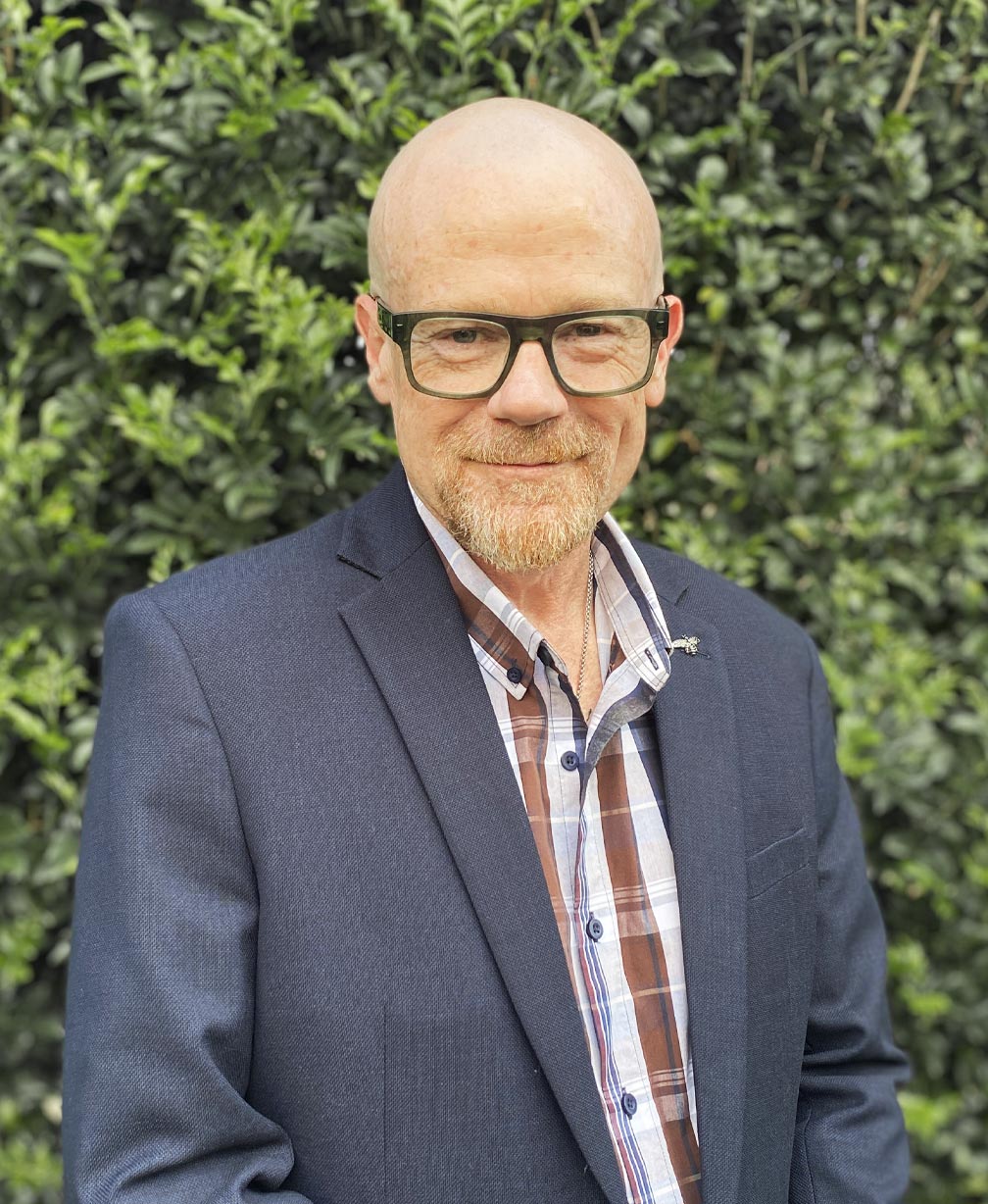
I bring together my work as a counsellor and psychotherapist with more than 20 years of management experience working with people, teams and organisations.
Having held branch, regional and general management and project management roles, with responsibility for people, operations, commercial and financial performance, business objectives and KPIs, I understand the practical realities of balancing people, performance and organisational responsibilities.
Today, these two areas of experience inform my approach to workplace mental health, bringing together an understanding of mental health and people with practical experience of the realities faced by managers and organisations.
Case Study: Evidence From Practice
A recent organisational engagement began when Your Life Therapy was approached to develop and deliver an initial pilot men’s mental health session.
That initial engagement progressed into the development and delivery of a four-session progressive men’s mental health and wellbeing program across two groups.
Participation was voluntary and anonymous participant feedback was collected throughout the program.
Following delivery and evaluation, Your Life Therapy was invited to deliver the program to a new cohort of employees.
Pilot → Progressive Program → Two Groups → Anonymous Evaluation → New Cohort
Participant-reported outcomes included:
Workplace Mental Health FAQ’s
Have questions about workplace mental health, how it works or what to expect? Find answers to some of the most common questions here.